Rad Mobile - Input Codes, Broken Gameplay Elements, and Cut Content
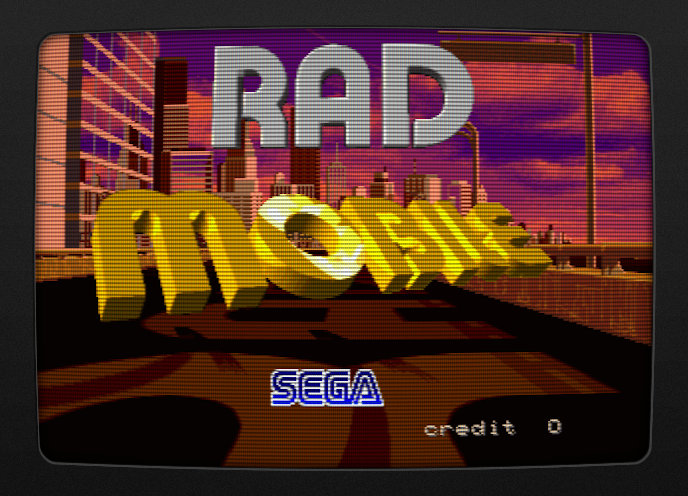
Yeah everyone knows Rad Mobile because of the Sonic the Hedgehog rear-view mirror ornament, but there’s a lot more underneath its hood.
disassemblies・digital archaeology・data preservation
Yeah everyone knows Rad Mobile because of the Sonic the Hedgehog rear-view mirror ornament, but there’s a lot more underneath its hood.

Let’s take a look at a fighting game with a troubled development history, questionable aesthetic choices, cut characters and hidden debug tools. No, we’re not talking about Tōki Denshō this time. It’s Psikyo’s 1998 fighting game, Daraku Tenshi: The Fallen Angels! In part 1, we’ll look at the game’s hidden development tools and other code mysteries, then in Part 2 we’ll discuss the game’s decimated storyline.
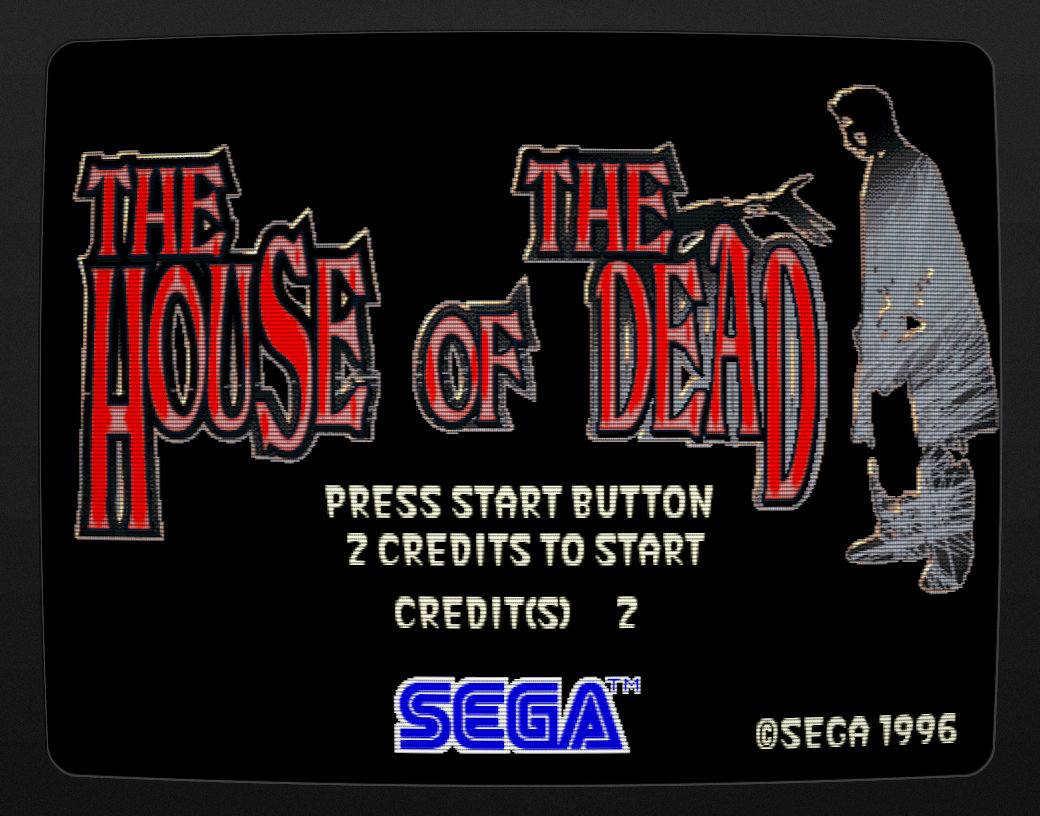
In which we take a look at the House of the Dead cheats and how they can be used to load model data from unused characters.
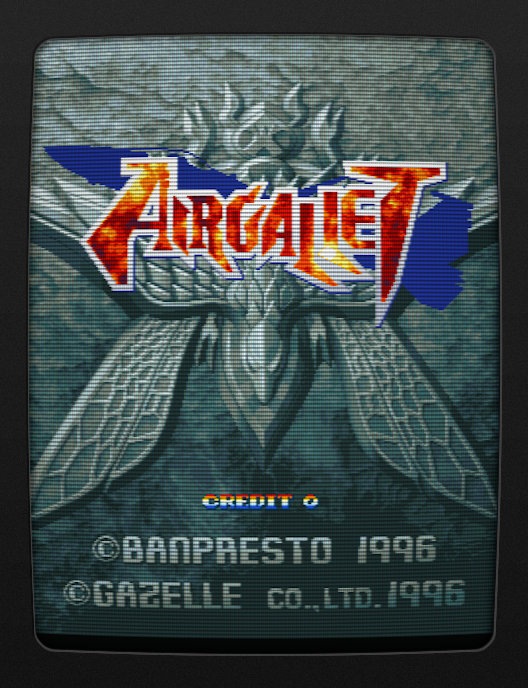
If there’s one constant we can rely on, it’s STGs having leftover menus.

Life is finally returning to normalcy (whatever that is) after moving into my new house. And that means back to hacking old games in my spare time! Today we’ll look at Akamaru Q Joushou, a game you probably haven’t bothered with unless your Japanese is pretty good. At its heart, it’s a quiz game, but it also has a variety of simple action and word games as well to make things interesting. It has one hell of a collection of debugging tools… and a very interesting developer easter egg!

Around 1988, Taito began implementing a standard level select code into many of their arcade games. The code was not available to normal players, as it requires the use of the Service button, inside the cabinet. Considering the timing required to press Start and Service in quick succession, it may not have been for cabinet owners either, but instead for the developers who had direct access to the hardware and who may have had those special buttons mapped to something more accessible for testing.
Indeed, some games have more than just level selects, including basic map or object editors and viewers. Some menus allow you to select level numbers well beyond what actually exist in the game, loading non-existant game data when selected. Some menus are very plain, while others obviously had some work put into them. Besides the obvious bonus of easily exploring the game levels without so much work, the menus themselves are sometimes a fascinating look at the developer’s side of the game.